

Timothée Chalamet’s Oscar Chances Take a Late Hit — But Did the Ballet Backlash Arrive Too Late to Matter?
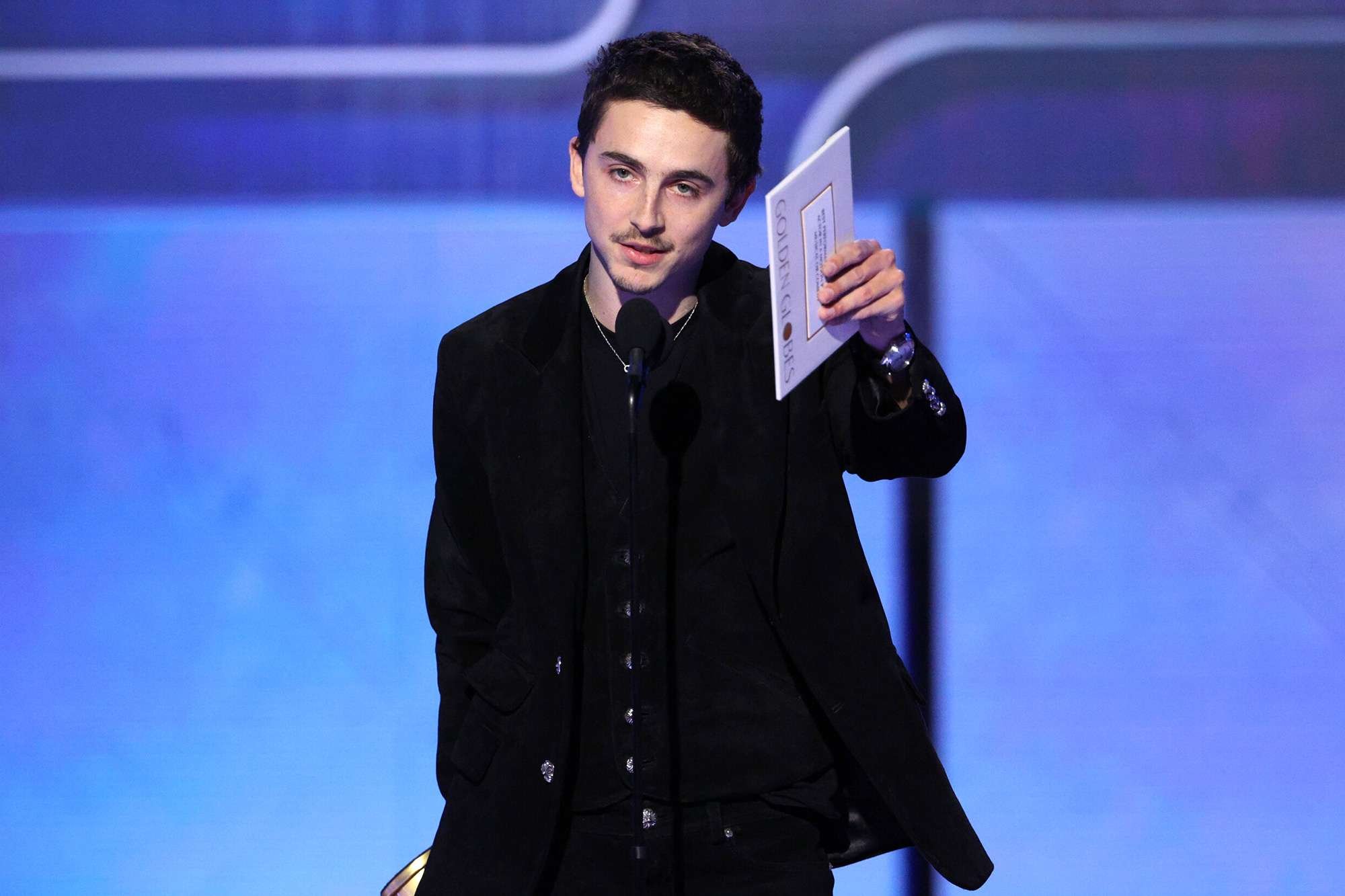
With the 98th Academy Awards set for this Sunday, March 15, the best actor race has suddenly become less about inevitability and more about timing. For much of the season, Timothée Chalamet looked like the man to beat for Marty Supreme. But Michael B. Jordan scored the race’s last major jolt when he won the Actor Award for Sinners, injecting fresh uncertainty into the category just days before Hollywood’s biggest night.
Now Chalamet is heading into Oscar weekend with an additional complication: a backlash over remarks about ballet and opera that have turned an already competitive finish into an avoidable optics problem.
The controversy stems from a February 24 CNN/Variety town hall in which Chalamet, while talking about the future of theatrical moviegoing, said he did not want to be working in “ballet or opera” or in art forms where people are essentially pleading to “keep this thing alive,” adding that “no one cares about this anymore.” He then tried to soften it with “all respect” and a joke about losing “14 cents in viewership,” but the clip landed badly once it spread.
The Metropolitan Opera and London’s Royal Ballet and Opera both responded publicly, and the backlash widened again over the weekend when Doja Cat blasted the comments and The View devoted airtime to criticizing him.
The practical question, though, is whether this actually costs Chalamet Oscar votes or just creates a messy final news cycle. The answer is probably somewhere in the middle. Academy final voting officially ended on March 5, and the loudest phase of this backlash appears to have crested on March 8 and 9, which suggests — at least by timing — that the damage may have hit the conversation harder than it hit the ballot.
That does not mean it is meaningless. It means the issue likely arrived too late to fully reorder the race, even if it helped harden a negative narrative around Chalamet at exactly the wrong moment.
Still, in a category this close, image matters. And Chalamet’s problem is not only that he annoyed the opera and ballet worlds. It is that the comments fed a more general awards-season vulnerability: the idea of a young, hyper-visible star sounding glib about older art forms while campaigning for the industry’s highest honor. That perception can be especially unhelpful when the alternative is Jordan, whose Sinners run has lately been defined by momentum, warmth and broad actor-branch goodwill. Trade and prediction chatter has shifted accordingly, with Jordan now carrying the stronger late-race surge after the Actor Awards upset.
That is what makes this week so frustrating for Chalamet’s camp. He is not some fringe contender trying to survive a scandal. He built a real winning case over months, including major victories at the Critics Choice Awards and the Golden Globes for Marty Supreme.
In another year, that résumé might have been enough to let a clumsy remark slide as little more than campaign-season static. But this is not another year. This is a season in which Jordan’s Sinners has become a juggernaut, the actor race has tightened, and every late impression feels larger because there is no longer much room between first and second.
So, does the ballet flap hurt Timothée Chalamet’s Oscar chances?
Yes — but probably more in aura than in arithmetic. The bigger threat to his win chances may still be Jordan’s timing, not Chalamet’s quote: one candidate peaked with the season’s last major acting prize, while the other stumbled into an unnecessary culture skirmish.
If Chalamet loses on Sunday, the ballet comments will be remembered as the sour final note. But if he wins, they will look less like a decisive blow and more like the kind of last-week noise that awards races generate when a frontrunner stops looking invincible.