

Epstein Death: What We Know, What’s Missing, and Why “He was murdered” Won’t Go Away
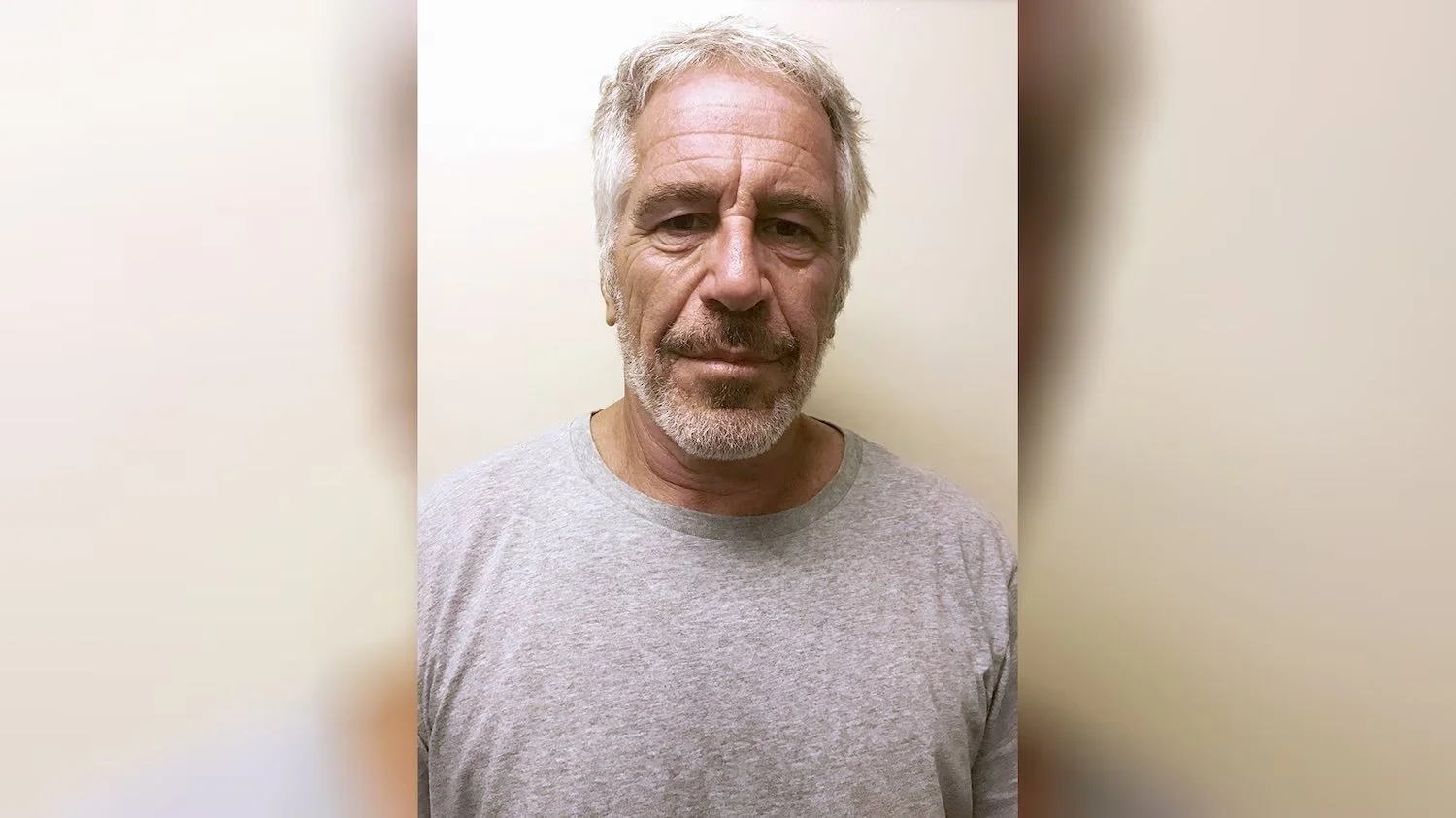
In the public imagination, Jeffrey Epstein didn’t just die. He *vanished*—from court, from testimony, from cross-examination, from the long daylight where facts get nailed down and powerful names get said out loud. That’s why his death feels less like an ending than like a door slammed mid-sentence.
Officially, the story is simple: on the morning of August 10, 2019, Epstein was found in his cell at the Metropolitan Correctional Center (MCC) in Manhattan. He was taken to a hospital and pronounced dead, and the New York City medical examiner ruled the death a suicide by hanging.
But the details around that “simple” story are a catalog of institutional failure so loud it reads like sabotage. Cameras that didn’t record. Checks that weren’t done. Logs that were falsified. A high-risk detainee left alone at exactly the wrong moment.
The space between “officially resolved” and “emotionally unbelievable”—the conspiracy question moves in: “Was it murder? Was it a cover-up? Did he fake it? Is he still alive?”
Let’s separate what’s verified from what’s speculated, and why the “shady” feeling persists even when the best-supported answer remains: he died in custody.
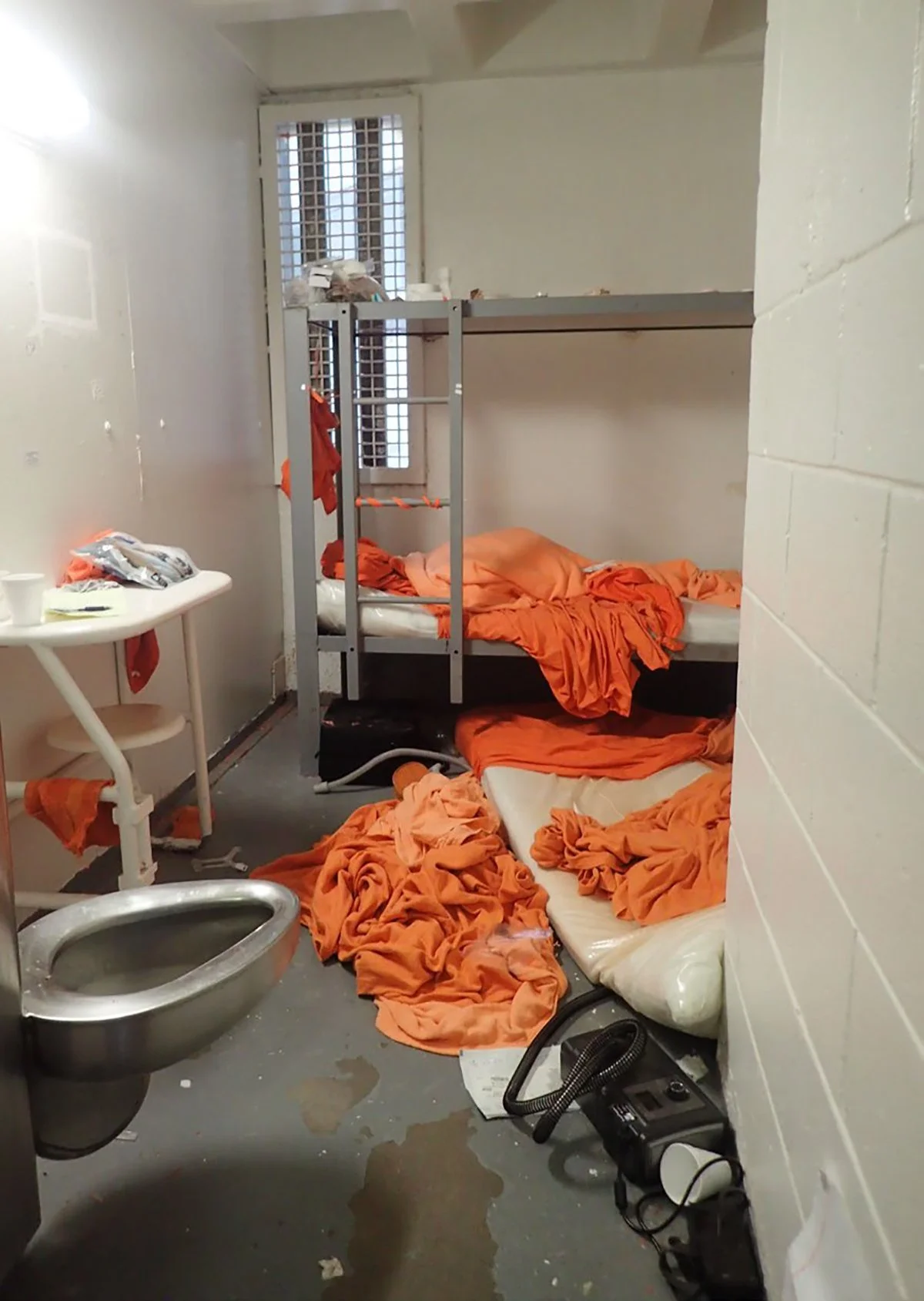
What the official investigations say happened
Multiple official reviews land on the same conclusion: Epstein died by suicide
The DOJ Office of the Inspector General (OIG) report states that Epstein was found hanged in his SHU cell, and notes the New York City medical examiner determined suicide by hanging.
The OIG report also states the FBI “determined there was no criminality pertaining to how Epstein had died.”
The Associated Press summary of the watchdog findings likewise reports “no evidence of foul play,” while documenting major negligence and misconduct.
So why doesn’t that settle it? Because the same OIG and AP reporting that says “suicide” also describes a jail environment that behaved as if the basic rules of custody—especially for a high-profile, high-risk prisoner—had been quietly suspended.
The failures that make “suicide” feel like a cover story
The “shadiness” is not one weird coincidence. It’s a stack of breakdowns that all lean in the same direction: toward opportunity.
1) The cameras problem wasn’t a rumor
A central driver of suspicion has always been the absence of clean, continuous surveillance footage of the relevant areas.
The OIG report documents that the DVR system tied to key SHU cameras (DVR 2) had “catastrophic disk failures” and that “no recordings would have been available after July 29, 2019.”
AP also reports that nearly all cameras in the unit “didn’t record,” tied to a mechanical failure, and that an upgrade had been contracted years earlier but wasn’t completed.
That doesn’t prove murder. But it does create the perfect conditions for doubt: a death inside a sealed facility, and the one thing that would have silenced conspiracy—the clean video trail—doesn’t exist in full.
2) Required rounds weren’t reliably done—and records were falsified
Standard procedures require regular checks. Yet prosecutors alleged (and later reporting reinforced) that checks didn’t happen the way they were supposed to.
Reuters reported that two officers allegedly fell asleep, surfed the internet, and falsified records to cover failure to check on Epstein during the overnight period.
The OIG report contains testimony indicating rounds were not consistently performed and that some staff treated other tasks (like food distribution) as a “round,” even when it didn’t meet the requirement.
Later, prosecutors ended the case after deferred prosecution agreements were completed, according to Reuters—an outcome that, for many people, reinforced the sense that accountability never matched the scale of the failure.
3) He was left without a cellmate despite a recommendation he should have one
Another fact that keeps conspiracy alive is how frequently Epstein was treated as an exception.
The DOJ OIG press release states that after a July incident leading to suicide watch, MCC psychology determined he needed an appropriate cellmate, yet on August 9 his cellmate was transferred out and staff did not take steps to assign a new one.
AP similarly reports he was alone the night he died despite internal knowledge that a cellmate was recommended.
Again: none of this proves he was murdered. It proves that the jail created (or allowed) a risk environment so extreme that people reasonably ask whether it was merely incompetence.
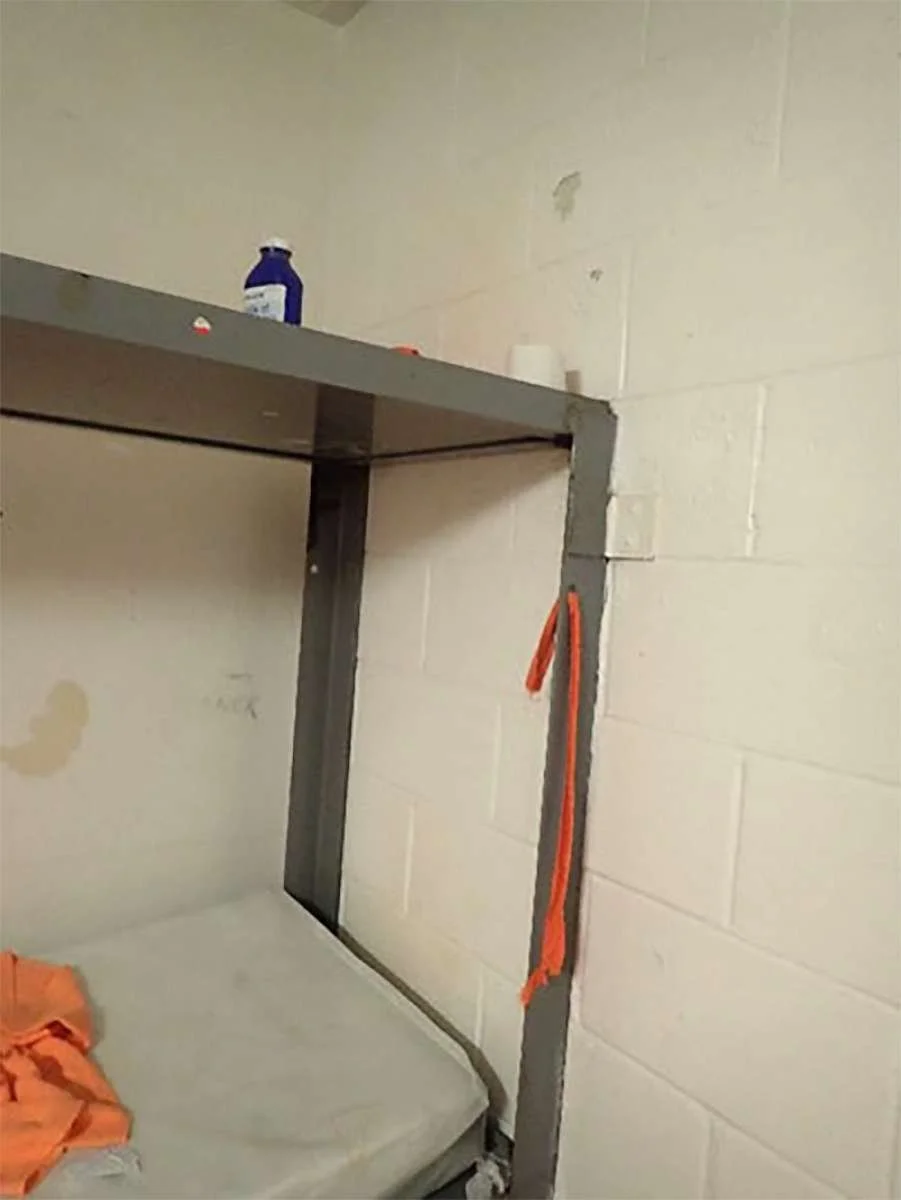
The autopsy dispute: why it mattered, and why it doesn’t support “alive”
If there is one point conspiracy theorists return to, it’s the autopsy. A pathologist hired by Epstein’s family publicly argued that some injuries looked more consistent with homicide than suicide, while the medical examiner stood by the suicide ruling.
The OIG report includes detail from its interview with the medical examiner: it describes fracture patterns, petechial hemorrhages, and other findings the examiner said were consistent with hanging, and notes the autopsy “did not identify any signs of a struggle.”
The new wrinkle: the “orange figure” seen on video logs
In February 2026, CBS News reported on newly released DOJ documents and observation logs describing an orange-colored shape moving toward the locked tier where Epstein’s cell was located at about 10:39 p.m. the night before he was found dead. The logs suggest it “could possibly be an inmate escorted” up to that tier, and CBS reports that different reviewers drew different conclusions about what the footage shows.
This kind of detail is gasoline for suspicion because it appears to contradict prior blanket claims that “no one entered” the tier that night.
But it still doesn’t build a bridge to “Epstein escaped” or “Epstein is alive.” At most, it reopens questions about access, documentation, and how confidently officials spoke about video evidence that had gaps.
So… is Epstein still alive?
Here’s the grounded answer: there is no credible evidence that Epstein is alive. The best-supported, official record remains that he died in custody and was autopsied, with the death ruled suicide by hanging.
To believe he is alive, you have to believe a much larger, harder-to-sustain scenario than “the jail failed” or even “someone killed him”:
that a body double was substituted and accepted through medical processes,
that an autopsy was faked or performed on the wrong person without detection,
that hospital personnel, medical examiner processes, federal custody chain-of-events, and investigative agencies either cooperated or were fooled,
and that Epstein then disappeared without a reliable, verifiable trace for years.
Could powerful systems lie? Yes. Could individuals cover for each other? Yes.
What has emerged—documented in government findings and major reporting—is something uglier and more ordinary: a correctional system that failed catastrophically in basic duty, in a case where failure conveniently prevented public testimony and narrowed legal accountability.
A death can be “officially suicide” and still be a scandal—because the scandal is not just *how* he died, but how easily he was allowed to.