

Does Drake Have a Classic Album? Defining a Classic and Making the Case for Six
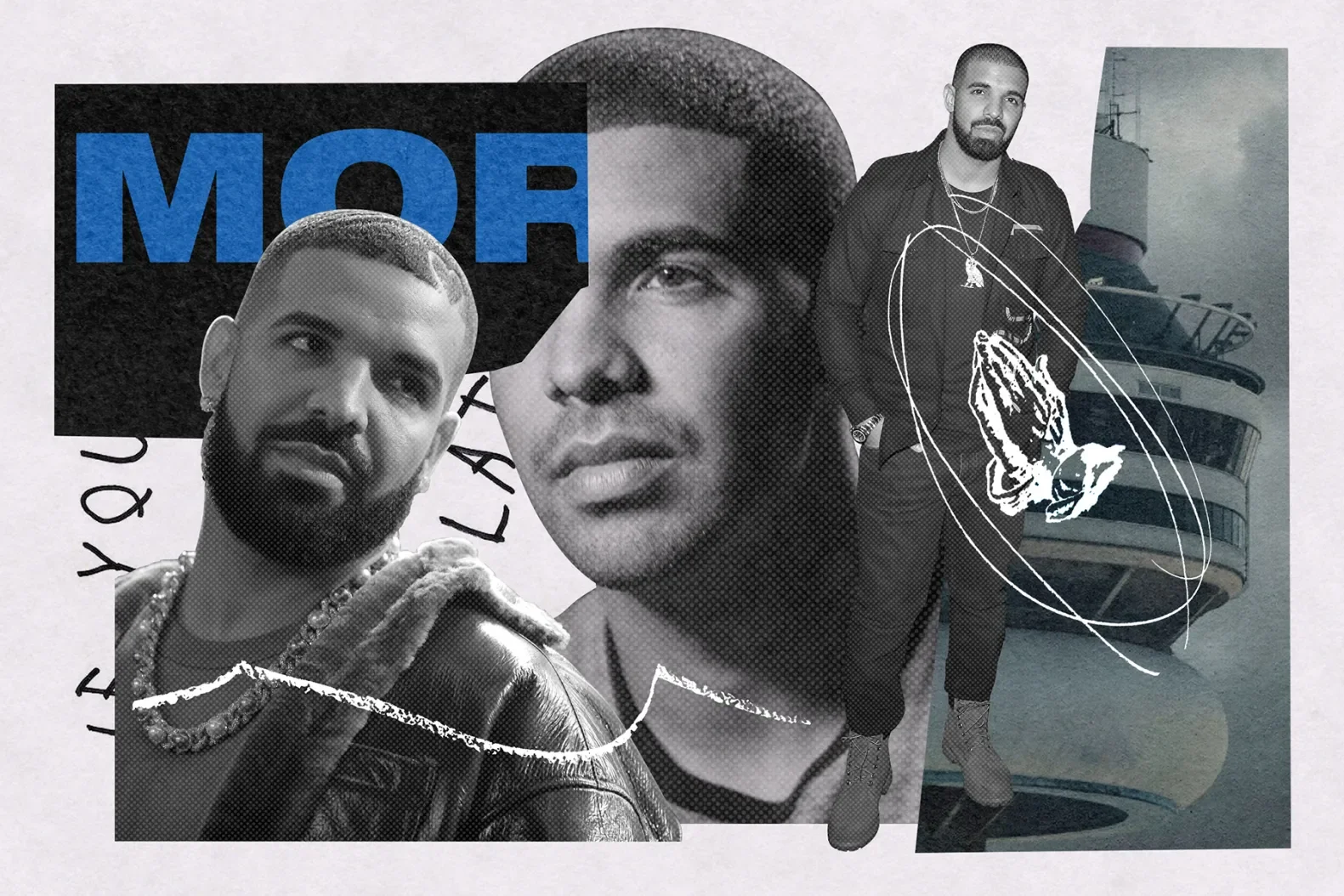
There are few arguments in rap more revealing than the one about the classic album. The term is mysterious, but because people use it so lazily. Sometimes “classic” just means successful. Sometimes it means beloved. Sometimes it means old enough to feel sacred.
But a real classic is not just an album with hits and it is not simply a project that soundtracked a particular year of your life. A classic is a body of work that outlives its release window, changes the language of its genre, influences the artists who come after it, and remains central to the story of its era.
By that standard, the Drake debate is not whether he has one classic album. It is how many the culture is willing to admit he has.
That question has lingered around Drake for years because he broke so many of rap’s older measuring tools. He is too melodic for purists, too dominant for contrarians, too mainstream for people who think difficulty is the same thing as greatness. And because Drake has spent so long at the center of popular music, there is now a strange tendency to confuse overexposure with lack of importance.
But the argument against his classics often collapses the moment you stop talking about personal irritation and start talking about cultural consequence. Drake’s catalog is not just a run of successful releases. It is one of the clearest records we have of how rap, R&B, and pop changed in the streaming era. His official catalog includes the projects most often named in this debate: So Far Gone, Take Care, Nothing Was the Same, If You’re Reading This It’s Too Late, Views, More Life, and Scorpion.
So Far Gone is the first real pillar of the case. It was more than a breakout. It was a tonal shift. Drake did not invent emotional openness in rap, but he commercialized a new kind of emotional texture: wounded confidence, romantic ambiguity, luxury anxiety, and conversational vulnerability delivered through a style that blurred rapping and singing until the distinction almost stopped mattering.
After So Far Gone, it became easier for a generation of artists to be softer without being small, melodic without leaving rap, and diaristic without sounding niche. Classics do not always arrive as fully perfected masterpieces. Sometimes they arrive as blueprints. So Far Gone was a blueprint.
Take Care is where the blueprint became canon. Even now, it feels like the project that most cleanly explains Drake’s hold on popular music. Apple Music placed Take Care at No. 47 on its “100 Best Albums” list and described it as a work that helped usher in “a wave of commercial hip-hop draped in vulnerability,” which gets at the album’s actual significance better than most fan arguments do.
More than a decade later, Take Care still sounds like a world artists are trying to re-enter.
Nothing Was the Same is the album where Drake stopped feeling like a phenomenon and started feeling like an institution. If Take Care was emotionally rich and porous, Nothing Was the Same was colder, sharper, and more architecturally controlled. This is the album that perfected Drake as self-mythologist: the artist who could look inward while also narrating his own ascent in real time. It contains some of the clearest examples of the Drake persona reaching full maturity, where the insecurity and ambition no longer fight each other but work together.
A classic is often the album that best distills an artist into their purest usable form. For Drake, Nothing Was the Same belongs in that tier. Apple and Spotify both continue to frame it as one of the core projects in his catalog, and history has only made it feel more central.
If You’re Reading This It’s Too Late matters because it expanded Drake’s classic argument rather than simply repeating it. He was no longer just the king of late-night confession and bitter romance. Here he sounded harder, meaner, faster, and more impatient. The project gave listeners a more distilled form of Drake’s aggression and paranoia, and in doing so it proved that his reach was wider than the caricature attached to him. A classic album does not merely confirm what an artist can do; it changes the perimeter of what people think that artist is capable of.
If You’re Reading This It’s Too Latedid exactly that, and it remains one of the most cited projects whenever people want to argue for Drake’s rap credibility. It also sits in the core run of projects Drake foregrounds in his official discography.
Then there is Views, one of the most argued-over albums in his catalog and, because of that, one of the most revealing. Too many classic debates are trapped in first-listen criticism, as though a mixed initial reaction can erase what an album becomes. Views became an environment. Billboard reported that “One Dance,” the defining single from the album, gave Drake his first Hot 100 No. 1 as a lead artist and then kept holding the top spot. That matters because Views was Drake turning mood, climate, city, and omnipresence into a total commercial atmosphere. Toronto became branding after this album.
More Life is where older ideas about the album start to fail. Critics who want to deny it classic status usually do so by calling it too loose, too playlist-like, too resistant to traditional album form. But that resistance is exactly why it belongs in the discussion. More Life captured the logic of the streaming era better than many “proper albums” ever did. It was fluid, global, restless, and curatorial without feeling anonymous.
Billboard covered its huge opening as Drake pushed yet another streaming benchmark, and that commercial response reflected something deeper than popularity: he understood where listening habits were going before many of his critics did. If a classic can be the work that best captures a turning point in how music is made, packaged, and consumed, then More Life has a stronger case than people admit.
Scorpion is the most controversial entry, and probably the one that separates people who think a classic must be immaculate from people who think a classic can also be era-defining. Scorpion is messy, oversized, hyper-visible, and full of the contradictions that came with Drake at imperial scale. But Billboard reported that it became the first album to hit 1 billion global streams in a single week, which tells you something important: even when Drake was excessive, he was still making the kind of music object the era revolved around. Scorpion is a classic because it may be the most complete blockbuster document of what streaming-era dominance actually looked and felt like.
So does Drake have a classic album? Yes. More than one. The narrow answer, the one even skeptics usually concede, is that Take Care and Nothing Was the Same are classics, with So Far Gone close enough to function like one in the culture. But the fuller answer is that Drake has at least six projects with legitimate classic status if the standard is not perfection, but permanence, influence, and cultural force.
So Far Gone, Take Care, Nothing Was the Same, If You’re Reading This It’s Too Late, Views, and More Life all meet that threshold. Scorpion sits just behind them for some listeners and squarely among them for others.
The problem is that Drake’s career arrived at the exact moment the old rules for canon-building started to break.
He made rap more melodic, made vulnerability more scalable, made playlist logic feel artistic, and built blockbuster albums that often sounded like they were engineered for both private loneliness and public takeover.
That combination irritates some people because it made him harder to sort. But classics are not the albums that fit old rules most obediently. They are the albums that make new rules feel inevitable. By that measure, Drake has already answered the question. The culture is just catching up.